The Evolution of Smart Glasses
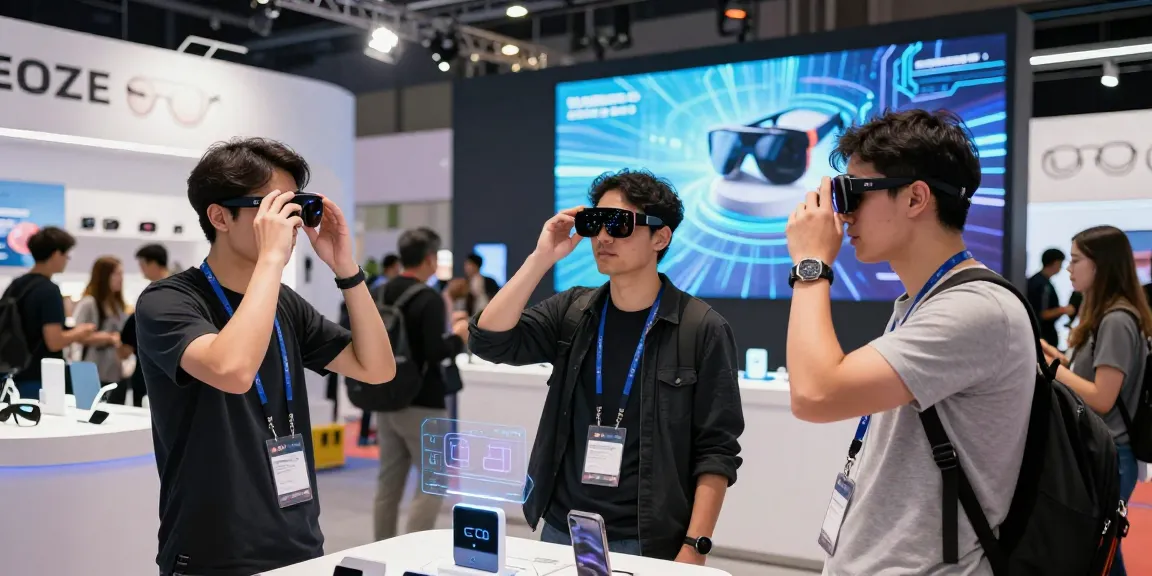
The evolution of smart glasses can be traced back to their initial conceptualization, where the primary focus was on enhancing user experiences through augmented reality (AR) and integration with digital devices. As technology has advanced, smart glasses have transformed from niche gadgets used primarily in industrial applications to mainstream devices, appealing to consumers seeking innovative ways to interact with their environments. Today, smart glasses not only augment reality but also offer features such as fitness tracking, hands-free notifications, and multimedia functionality, making them valuable tools for everyday use. When exploring options, smart glasses can be seen as an integral component of the wearable technology market.
History of Smart Glasses Technology
Smart glasses technology has undergone significant changes since the early 2000s. The concept began with heads-up displays (HUDs) used in military applications, which provided pilots with critical information without requiring them to look away from their flight path. Over the years, companies like Google entered the marketplace with products like Google Glass, which aimed to bring AR technology to consumers. Although initial attempts were met with mixed reviews, advancements in technology have spurred a new wave of innovation, leading to modern iterations with enhanced functionalities.
Current Trends and Innovations in Smart Glasses
In recent years, several trends have emerged in the smart glasses market. Key innovations include improved battery life, lighter materials, and enhanced display technologies. New models now often feature immersive AR capabilities, allowing users to interact with digital content seamlessly integrated into their physical environment. Additionally, voice commands and gesture controls have become prevalent, making smart glasses more user-friendly and practical. With the rise of AI, we expect even greater advancements in how these devices function, improving the overall user experience.
Key Features of Smart Glasses
Augmented Reality Capabilities
The core feature of modern smart glasses is their augmented reality capability. This technology overlays digital information onto the user’s view of the real world, allowing for various applications—from navigation assistance to gaming experiences. AR can enhance productivity and learning by providing real-time data and visual aids directly in the user’s line of sight, transforming how they interact with their environment.
Integration with Smartphones and Other Devices
Smart glasses are increasingly designed to work in tandem with smartphones and other devices. Through Bluetooth and Wi-Fi connectivity, users can receive notifications, control music playback, and access applications directly from their glasses. This seamless integration enhances convenience, allowing for a more cohesive digital experience without the need to constantly check a mobile device.
Health and Fitness Tracking Features
Many of the latest models come equipped with health and fitness tracking capabilities. From monitoring steps taken to tracking heart rate and calories burned, smart glasses can provide users with valuable insights into their physical activities. This feature appeals to fitness enthusiasts who prefer hands-free devices that offer real-time data without interrupting their workouts.
Choosing the Right Smart Glasses
Factors to Consider When Buying Smart Glasses
When selecting smart glasses, several factors should be taken into consideration. Users should evaluate comfort, style, battery life, display quality, and compatibility with existing devices. It’s also essential to consider the intended use—whether for casual wear, fitness activities, or professional applications—as this will influence the features required. Additionally, assessing customer reviews and expert opinions can provide valuable insights into the performance and reliability of specific models.
Top Smart Glasses Brands to Watch in 2026
As the smart glasses market continues to grow, several brands are leading the way with innovative offerings. Companies like Meta, once known for their VR innovations, are focusing on smart glasses that integrate social media with daily life. Similarly, brands like Bose are pushing the boundaries of audio technology within eyewear, creating unique experiences that combine sound and vision. Looking ahead, these brands are expected to innovate further, enhancing the functionality and appeal of smart glasses.
Real User Reviews and Experiences
Customer feedback is crucial when it comes to assessing the effectiveness of smart glasses. Users often share their experiences regarding comfort, usability, and the practicality of features. Positive reviews typically highlight how these devices enhance productivity and provide a hands-free experience, while negative feedback may focus on limitations such as battery life or connectivity issues. Engaging with user reviews can help prospective buyers make informed decisions and choose a device that fits their needs.
Future Trends in Smart Glasses
Predictions for Smart Glasses Development by 2026
The future of smart glasses looks promising, with predictions suggesting significant advancements in the coming years. Technologies such as improved AR experiences, enhanced AI integration, and advanced biometric sensors are expected to become standard features. This evolution will likely lead to broader adoption across various sectors including healthcare, education, and entertainment, ultimately creating a more interconnected digital ecosystem.
The Role of AI in Enhancing Smart Glasses
Artificial intelligence is set to play a pivotal role in the development of smart glasses. From predictive analytics that anticipate user needs to advanced voice recognition that enables more natural interactions, AI will enhance how users engage with their devices. This integration will not only streamline functionality but also make smart glasses more intuitive and user-friendly.
Potential Challenges and Barriers to Adoption
Despite their growing popularity, smart glasses face several challenges that could hinder widespread adoption. Issues such as privacy concerns, limited battery life, and aesthetic appeal are often cited by consumers as barriers to entry. Additionally, the need for robust applications and content tailored specifically for smart glasses remains a hurdle that developers must address to drive adoption and improve the overall user experience.
Frequently Asked Questions about Smart Glasses
What are Smart Glasses and how do they work?
Smart glasses are a type of eyewear that incorporates technology to enhance user interaction with their environment through digital displays, cameras, and audio. They function by overlaying information onto the user’s field of vision or providing notifications from connected devices.
Can I use Smart Glasses for fitness tracking?
Yes, many smart glasses come equipped with fitness tracking features, allowing users to monitor activities such as steps, heart rate, and calories burned. This functionality is particularly appealing to those who engage in regular physical activities and prefer hands-free devices.
Are Smart Glasses compatible with my smartphone?
Most smart glasses are designed to integrate with smartphones using Bluetooth or Wi-Fi connections. This compatibility allows users to receive notifications, control applications, and access content directly from their glasses.
What are the best brands for Smart Glasses in 2026?
As of 2026, prominent brands in the smart glasses market include Meta, Bose, and Ray-Ban, each offering unique features that cater to different user preferences and needs. Evaluating these brands can help users find a product that aligns with their lifestyle and requirements.
How will Smart Glasses evolve in the next few years?
Smart glasses are expected to evolve through advancements in AR technology, AI integration, and health monitoring capabilities. As these technologies improve, smart glasses will likely become more versatile, appealing to a broader audience and integrating deeper into daily life.